Your zodiac sign starts with one date
Your date gives your Sun sign. Your Moon and rising signs need a time and a place.
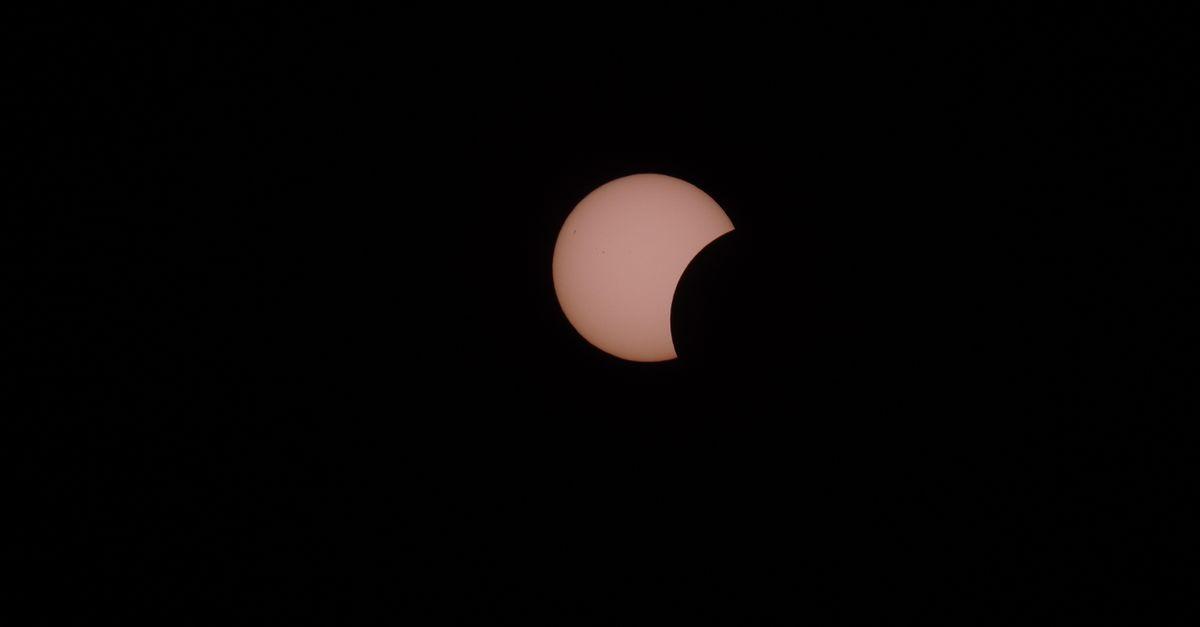
Your zodiac sign is the sign the Sun seemed to sit in when you were born. Find your birth date, match it to the date ranges, and you have your Sun sign. For most people, that is all the phrase means.
Matching your birth date to a sign
The zodiac is a band of sky divided into twelve signs, and each sign is tied to a stretch of the calendar. Trusted Teller's zodiac overview describes each of the twelve as linked to specific dates and represented by a constellation symbol.
Take a concrete case. OneHowTo's zodiac sign walkthrough gives Gemini as 22 May to 21 June and Cancer as 22 June to 23 July. Someone born on 21 June has a Gemini Sun sign. Someone born the next day has a Cancer Sun sign.
The boundary days are where people get caught out. If your birthday falls on or next to a changeover, check it against an exact calculation rather than a rough table. Away from those days, the date settles the question. Date-based lookups such as Calculat.io's zodiac finder do this matching for you.
If you want both your Western and Vedic labels side by side, the Vedic vs Western Sign Calculator on Vedara works both out from your birth details. The conclusion explains when it is worth running.
Why two websites can give different signs
If one site says you are a Capricorn and another says you are a Sagittarius, the cause is usually the reference frame, not a mistake on either side. Western tropical astrology measures the zodiac against the seasons. Vedic astrology uses a sidereal zodiac, which measures against the fixed stars. The two frames sit at different starting points, so the same birthday can land in different signs.
That is a difference of method, not evidence that one system is broken. Before you compare results across sites, check which frame each one uses. Many sun sign pages never say, which is why the mismatch is so confusing.
The four elements
Astrology commonly sorts the twelve signs into four elements, with three signs in each. These groupings are part of the traditional framework.
| Element | Signs | Traditional theme |
|---|---|---|
| Fire | Aries, Leo, Sagittarius | Initiative and enthusiasm |
| Earth | Taurus, Virgo, Capricorn | Practicality and steadiness |
| Air | Gemini, Libra, Aquarius | Ideas and exchange |
| Water | Cancer, Scorpio, Pisces | Feeling and sensitivity |
So a Pisces sign sits in the water group, and a Capricorn sign sits in the earth group. Treat the grouping as shared vocabulary. It is shorthand, not a measurement of temperament, and it cannot tell you how someone will act.
Moon and rising signs need more than a date
Your Sun sign is one placement among several. The Moon sign, called rashi in Vedic usage, is the sign the Moon occupied at your birth. The Moon changes sign far more often than the Sun does, so a date alone cannot place it reliably. You need a birth time and place.
The rising sign, or ascendant, depends on the same inputs. It shifts through the day as the sky turns, so a rough birth time can give a rising sign different from the one you expected. If you only know the date, your Sun sign is the firm answer, and the Moon and rising signs stay open until you have a time you trust.
What a sign label does and does not tell you
A sign label answers one narrow question: where the Sun sat at your birth. It does not describe your whole chart, and it does not measure your character. The traits attached to each sign come from a long astrological tradition. They can prompt reflection, but they are not evidence about how you think.
If a decision carries real weight, such as a medical, legal, safety or money choice, a sign label should play no part in it. Use the actual situation and talk to a qualified professional.
Conclusion
Start with your Sun sign, because your birth date answers it. Treat the Moon and rising signs as the next step, once you have a birth time you trust. If your Western and Vedic labels differ, that usually reflects the two reference frames rather than a faulty result. When you want that comparison worked out from your own details, use the Vedic vs Western Sign Calculator.
Related reading
Clear answers
Frequently asked questions
Do I need my birth time to know my zodiac sign?
Not for the Sun sign. A birth date is enough for most people. Birth time matters for the Moon and rising signs, and it matters if your birthday falls on a cusp day and you want to be certain which sign applies.
Why does another website give me a different sign?
The most common reason is a different reference frame. Many Western sun sign tables use the tropical zodiac, while Vedic astrology uses a sidereal zodiac. Check which system a site uses before you compare the two.
Do the elements say anything real about me?
As a tradition, elements are a way to group signs and talk about themes such as initiative, practicality, ideas or feeling. Use them to reflect. They are not evidence of how you think or behave.
Evidence used
Sources
- OneHowTo — How To Know Your Zodiac Sign
education.onehowto.com
Used to verify: that a zodiac sign is found from the birth date, with the Gemini (22 May to 21 June) and Cancer (22 June to 23 July) ranges quoted in the matching section.
- Trusted Teller — What is my zodiac sign? Unveiling your zodiac sign
trustedteller.com
Used to verify: that the zodiac is divided into twelve signs, each linked to specific dates and symbolised by a constellation.
Used to verify: that a zodiac sign can be found from a birth date using a date-based lookup.